
Thiruvananthapuram: A procession of deity idols began yesterday from Padmanabhaswamy Temple to bestow Navratri blessings upon Ananthapuri. The procession featured idols of Goddess Saraswati from Kottaravalappil Thevarakettu, Velimala Kumaraswami, and Munnutinanka. Goddess Saraswati’s idol was carried by an elephant, while Kumaraswami and Munnutinanka were carried in palanquins. Police from Kerala and Tamil Nadu paid their respects.
The procession started around 9:30 PM towards Thiruvananthapuram. The presence of a Devaswom official holding a sword symbolizes the accompaniment of the Maharaja of Travancore. Tomorrow evening, the procession will arrive in Thiruvananthapuram, where Kumaraswami will be paraded on a silver horse from Karamana. The procession will be received at Sree Padmanabhaswamy Temple after the sword handover ceremony. After the holy bath in Padmatheertha, the idols of Saraswati, Kumaraswami, and Munnutinanka will be installed for worship at Navaratri Mandapam, Aryashala Temple, and Chenthitta Devi Temple, respectively.
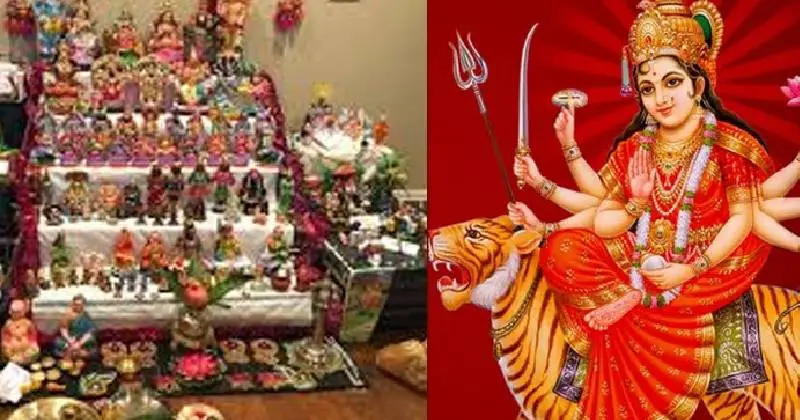
Navaratri in the Malayalam month of Kanni is considered the most auspicious time for worship that brings success in life. It is the best time to worship the Supreme Goddess in various forms. Any prayers offered during this time are quickly answered, and it is also the most beneficial time to start chanting powerful mantras. Any prayer during this period is believed to yield the fastest results.
Fasting Rules:
During the entire Navaratri period, devotees must abstain from consuming non-vegetarian food. They should eat only one meal of rice each day and consume fruits at other times. Daily visits to Devi temples are encouraged, along with the recitation of Lalita Sahasranama or any prayer to the Goddess. These are the main fasting rules.
Navaratri fasting for 2024 begins on Wednesday, October 3, from Ashwin Prathama until October 13, Vijayadashami. Devotees observing the fast should chant as many Devi mantras, hymns, and songs as possible. It is highly recommended to chant Lalita Sahasranama, known as the wish-fulfilling mantra for devotees. It is ideal for alleviating sins and fulfilling desires. Other holy texts for recitation during Navaratri include Saundaryalahari, Devi Bhagavata, and Devi Mahatmyam.
Lalita Sahasranama: Reciting Lalita Sahasranama thrice daily, during morning, noon, and evening, is the most beneficial during Navaratri. The Sahasranama consists of 1000 divine names of the Goddess. The chant should be performed in front of a ghee lamp. It typically takes about an hour to complete. If time doesn’t permit, it can be recited only in the morning and evening. The chant is also a form of atonement for both known and unknown sins and is ideal for success in life.
Saundaryalahari: This great work by Adi Shankaracharya contains descriptions and praises of the Goddess in various forms. It consists of 100 verses that have the power to bring peace of mind. It can be chanted facing east in the morning, dressed in white, and facing west in the evening, dressed in red. Reciting this with devotion is helpful for mental peace and emotional strength.
Devi Bhagavata: This sacred text describes the stories and divine deeds of the Goddess. Listening to or remembering these stories brings peace of mind and alleviates sins. Reciting the Devi Bhagavata from sunrise to sunset over the nine days of Navaratri is considered ideal, though it can also be completed over a longer period.
Devi Mahatmyam: This renowned text contains numerous powerful mantras and is traditionally used to protect from evil spirits. The very act of keeping the Devi Mahatmyam in the house is said to bring protection. It can be recited over the nine days of Navaratri, or at any time throughout the year. It is particularly recommended to begin reciting this text on Fridays, Tuesdays, or full moon days. The text is also widely used in various tantric practices.