

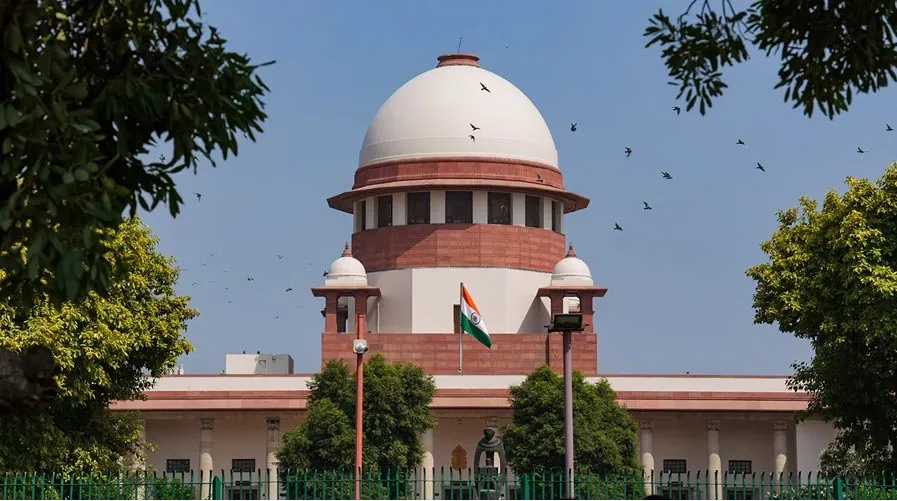
15% or more reservation should be given to scheduled castes in the respective states. Scheduled castes can be sub-categories for this. There is no need to put all Scheduled Castes in the same category
The Supreme Court on Thursday ruled that Scheduled Castes are not a unitary group and governments can sub-category them to give more weightage than 15% reservation to those who suffer more discrimination among Scheduled Castes.
A bench comprising Justices BR Gavai, Vikram Nath, Bela M Trivedi, Pankaj Mittal, Manoj Misra and Satish C Sharma set aside the Supreme Court’s 2004 Chinnaiya case judgment against sub-classification of Scheduled Castes. Castes among Scheduled Castes should be based on their degree of discrimination, regarding their representation in government jobs and admission to educational institutions. The Supreme Court also said states can do this through empirical data collection.
The seven-judge bench made six separate opinions to provide a better opportunity for the most disadvantaged of the Scheduled Castes to get the benefits of 15% reservation.