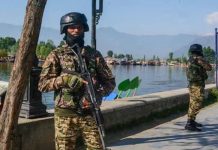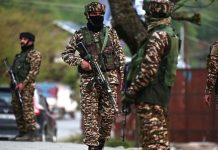

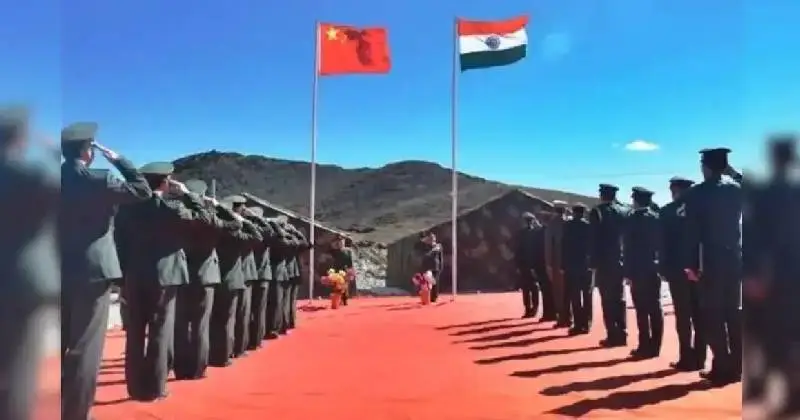
Indian soldiers distributed sweets to Chinese soldiers at the border to mark Diwali. The Chinese troops accepted the sweets joyfully, and Indian soldiers also provided Diwali gift packets for them to take home. India distributed sweets at five locations along the Line of Control, including Ladakh.
In return, the Chinese soldiers offered Indian soldiers some Chinese sweets and extended their Diwali greetings. The sweet exchanges took place in various locations, including Chushul-Moldo in Ladakh, Daulat Beg Oldi, near Kibithu in Arunachal Pradesh, and Nathula in Sikkim.
This gesture came a day after both sides completed military movements in the Depsang and Demchok areas, as per the weekly patrolling agreement. Additionally, both countries plan to withdraw their troops further from the border in Ladakh. The agreement seeks to dismantle existing military posts and withdraw forces back to positions held before April 2020, including the removal of facilities such as temporary camps from the Depsang plains and Demchok.
As peace returns to the border with China, India expects to save millions by not having to allocate funds for war expenses and conflict management. This agreement is anticipated to end the four-year military and diplomatic standoff that began with clashes in the Pangong Lake area and Galwan Valley in May-June 2020, where 20 Indian soldiers were killed.
China, on the other hand, has confirmed that their military withdrawal is ongoing and stated that ground-level commanders from both sides would conduct checks before regular patrols to avoid misunderstandings. Both sides will monitor troop withdrawals and the dismantling of camps. India and China are ending their conflict discussions without international mediators or third-party involvement. Meanwhile, monitoring options will continue in Depsang, Demchok, Delhi, and Beijing. If both sides can ensure mutual understanding, peace at the border can be achieved.
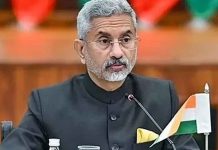
The agreement came into effect on Monday. A satellite image from the Depsang plains shows that structures previously present along the China border have been removed. A second image taken four days later shows Indian military tents being dismantled and vehicles moving. Images from Demchok indicate that temporary Chinese establishments were removed by October 25. This week, Army Chief General Upendra Dwivedi stated that the Indian and Chinese armies are trying to rebuild trust. Foreign Minister S. Jaishankar has played a crucial role in resolving the India-China conflict. India will remain cautious until it is assured that its position in the agreement is respected.
Following the withdrawal of Indian and Chinese troops in September last year in other areas, including the Gogra-Hot Springs region in Ladakh, tensions have decreased. However, intelligence reports indicate that a significant portion of the Indian territory in the northern Depsang plains remains under Chinese control. Depsang is crucial for India as it provides access to the airstrip at Daulat Beg Oldi and prevents Chinese troops from threatening key logistics centers in the region.