

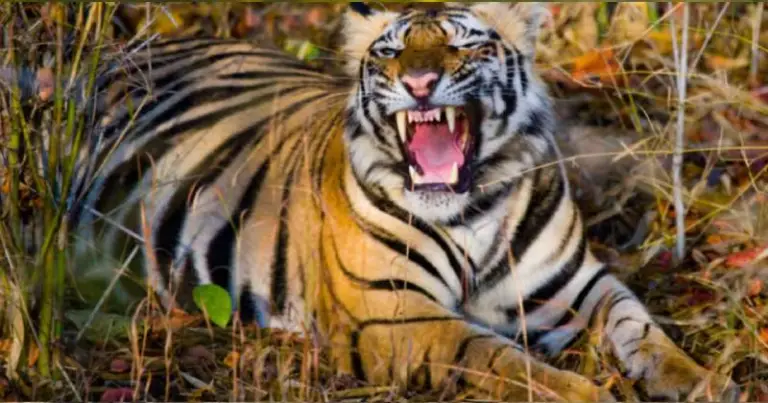
India has reached the top spot globally in both the number and increase of tigers. Currently, there are approximately 3,600 tigers in India, which accounts for two-thirds of the world’s total tiger population. These tigers are found across 1,38,200 square kilometers of land in India. Over the past decade, the tiger population has doubled.
A research study published in the journal *Science* attributes this increase primarily to the protection of tiger habitats. The biggest threat to tigers comes from humans, though the conflict between humans and wildlife has reduced. The condition of local communities has improved as well. While human presence is dangerous for the conservation of large animals like tigers, the situation in Kerala is different, as tigers are currently attacking and even killing people.
The increasing tiger population in Kerala’s forests could be a reason for these attacks. Tigers are also found outside tiger reserves and national parks, especially in areas where agriculture is practiced and residential areas are located. However, if the tiger population continues to grow unchecked, it may become another socio-environmental issue.